New Pediatric Guidance: Why Children Under One Shouldn’t Drink Fruit Juice
For decades, many parents have slipped a little fruit juice into their baby’s diet thinking it was a wholesome, vitamin-packed choice. After all, juice comes from fruit, so it must be healthy… right?
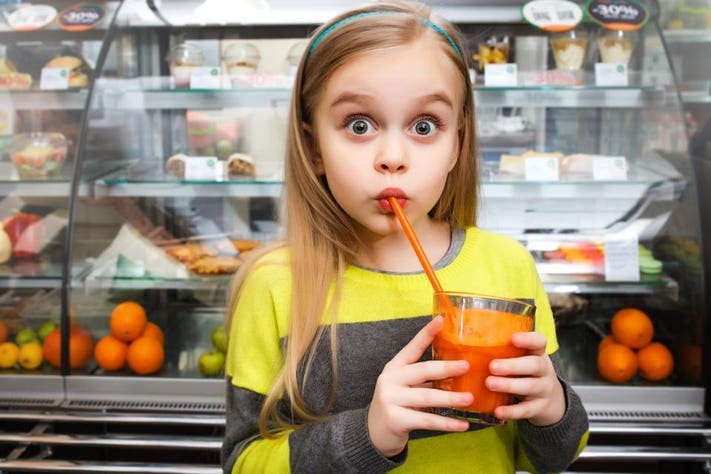
But according to the American Academy of Pediatrics (AAP), that long-standing belief needs a serious update. Their newest recommendation is surprisingly clear:
children under 12 months should not drink fruit juice at all.
This marks a shift from their older guideline, which discouraged juice only during the first six months of life. Now, the message is firmer, more intentional, and backed by research that challenges our assumptions about “healthy” drinks.
Let’s unpack why experts have become increasingly cool toward juice for babies and why whole fruit still wins every time.
Why Pediatricians Are Pumping the Brakes on Juice

1. Juice offers far less nutrition than you think
While juice contains some vitamins, it strips away the fiber and fullness that whole fruits provide. Babies need nourishment that helps them grow not a sugary liquid that skips essential nutrients and creates empty calories.
2. It increases the risk of cavities
Tiny teeth are surprisingly vulnerable. A child wandering around with a sippy cup of juice is essentially bathing their teeth in sugar throughout the day. And sugar lingering in the mouth is the perfect recipe for early tooth decay.
3. It contributes to unhealthy weight gain
Human bodies are brilliantly designed to eat calories, not drink them. Juice doesn’t trigger fullness or satisfy hunger, even when it’s calorie-dense. So babies end up consuming far more sugar without even realizing it.
4. It can cause digestive issues especially diarrhea
Toddlers’ digestive tracts can be sensitive to the sugars in juice, which pull water into the intestines and lead to loose stools.
5. It interferes with some medications
Certain juices especially apple and orange can affect how medications are absorbed, making them less effective.
So is juice healthier than soda? Technically yes.
But when it comes to cavities, obesity, and sugar overload, juice behaves much more like a sugary drink than a health food.
So What Should Babies Drink Instead?
The healthiest, simplest options are:
Water
Plain milk or fortified milk alternatives (after age one)
Breast milk or formula (before age one)
To get the nutritional benefits of fruit, babies should actually eat fruits and vegetables once they’re developmentally ready not sip them through a straw.
After Age One: Juice Is Allowed… But With Limits
Once your child turns one, juice doesn’t have to be forbidden. It just needs structure and intention.
How Much Juice Is Okay?
Ages 1–7: Up to 4 ounces daily
Ages 7–18: Up to 8 ounces daily
And yes those limits apply even if your child LOVES juice.
What Kind of Juice Is Best?
Always choose:
100% juice only
Pasteurized juice (to reduce the risk of illness)
Many bottles labeled “fruit drink” or “fruit beverage” are just sugar water dressed up with a berry on the label.
How Juice Should Be Served
Never give juice in:
A bottle
A sippy cup
Anything a child can carry around for casual sipping
This is essential for preventing cavities.
Instead, pour the juice into an open cup, have your child sit down, and let them drink it in one go just like a small, intentional treat.
If you want a portable option for outings, stick to water bottles only.
The Bottom Line
The new no-juice guideline isn’t about banning a childhood favorite it’s about protecting babies’ developing bodies and teeth while steering families toward healthier habits.
As with any pediatric recommendation, there are always exceptions.
For example, if your child is taking an iron supplement, your pediatrician may actually encourage pairing it with a small amount of orange juice to boost absorption.
When in doubt, your child’s doctor is the best guide. But overall, the message is clear:
For the first year of life, skip the juice. Focus on whole foods, real fruits, and beverages that nourish not just sweeten.
What's Your Reaction?