What the World Can Teach Us About Celebrating and Supporting New Mothers
In much of the Western world, becoming a new mother can feel like receiving a polite nod, a baby in your arms, and a quiet expectation to “bounce back.” Social media smiles, minimal rest, and the unspoken pressure to juggle everything alone often define the postpartum experience. But across the globe, new mothers are treated very differently with ceremony, nourishment, rest, and a surrounding village of care. And honestly? There’s a lot we could learn.
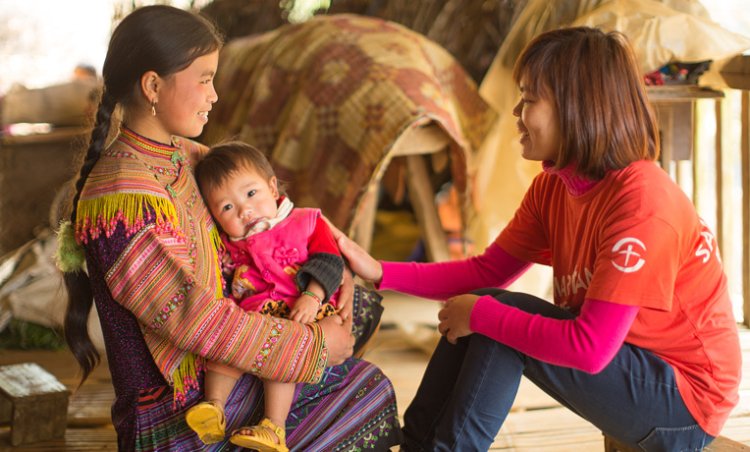
Let’s take a journey through some remarkable cultural traditions that honor mothers after birth—and explore ways we can bring a fraction of that compassion into our own lives.
1. China: Zuò Yuè Zi “Sitting the Month”
In traditional Chinese society, the first 30 to 40 days after childbirth are sacred. Known as Zuò Yuè Zi, or “sitting the month,” this period emphasizes recuperation, warmth, and quietude.
During this time:
New mothers stay indoors, avoiding cold air, visitors, and household chores.
Care is provided by their mother or a hired postpartum nurse called a yue sao.
Diets focus on nutrient-rich soups, stews, and teas designed to replenish strength and vitality.
The goal? To honor the mother’s body as it heals, creating a buffer of safety, nourishment, and support.
2. Netherlands: Kraamzorg Postpartum Home Nurses
In the Netherlands, new parents are often visited by kraamzorg, specialized postpartum nurses who are partly or fully covered by insurance.
They assist with:
Newborn care and feeding
Mother’s physical recovery
Household help and guidance for siblings
Emotional support and practical advice
This system normalizes the idea that mother and baby are equally deserving of care, making postpartum life less isolating and more sustainable.
3. India: Ayurvedic Recovery and 40 Days of Rest
Indian postpartum customs, like those in China, emphasize a 40-day period of rest and recuperation. Mothers stay home, focus on bonding with their baby, and follow holistic practices steeped in Ayurveda.
During this time:
Warm oils are massaged daily into the mother’s body.
Stress, cold drinks, and strenuous activities are avoided.
The approach blends physical care, spiritual rituals, and community support, reinforcing the mother’s central role in family life.
4. Mexico & Central America: The Cuarentena
In Mexican and Central American cultures, the cuarentena is a 40-day postpartum period designed to protect and nurture the mother.
Mothers are:
Fed hot, iron-rich foods like herbal teas, atoles, and broths
Shielded from visitors and household labor
Given gentle massages (sobada) and belly binding
Supported by doulas and female relatives actively involved in their care
It’s a model that centers nourishment, touch, and guided recovery.
5. Japan: Satogaeri Bunben Returning to Family
In Japan, new mothers often spend several weeks or months living with their own mothers in a practice called satogaeri bunben.
Grandmothers:
Cook, clean, and provide daily care for mother and baby
Share knowledge and guide routines
Build an intergenerational support network that strengthens family bonds
Here, postpartum care is a shared, honored responsibility, not a solo burden.
Why Doesn’t Western Society Do This?
The quick answer: culture, capitalism, and the myth of independence.
Many Western societies elevate the baby above all else while treating the mother as secondary. She is expected to heal silently, sleep minimally, and return to her pre-baby life as if nothing monumental has happened. But childbirth is profound bodily, emotional, and spiritual. Expecting women to fully “bounce back” within six weeks, often without paid leave or support, is inhumane.
How to Bring Some of These Traditions Into Your Life
Even without a village or a postpartum nurse, you can reclaim elements of traditional care:
Create Your Circle
Invite loved ones to a meal train or practical support schedule.
Accept offers of help, even if it feels unusual.
If possible, hire a postpartum doula for guidance and assistance.
Make Rest Sacred
Keep the first two to six weeks post-birth protected.
Lower expectations, cancel plans, cook in bulk.
Sleep when the baby sleeps it’s non-negotiable.
Prioritize Nourishment
Focus on warm, nutrient-dense foods and healing teas.
Let others help with meals, ensuring you never skip nutrition.
Release “Bouncing Back” Pressure
Celebrate what your body accomplished.
Embrace your evolving identity motherhood is a transformation, not a return to previous normal.
Imagine If Mothers Were Sacred Beings
In many cultures, new mothers are honored, celebrated, and cared for in ways that prioritize their healing. Imagine a postpartum period filled with soups, massages, rest, and hands-on support instead of unrealistic expectations or Pinterest-perfect ideals.
What's Your Reaction?