Is It Better for Kids to Go Barefoot? What Science and Real Life Actually Tell Us
You’ve seen it: a kid streaking across the lawn like a small, feral joy machine. Shoes discarded. Soles blackened. Entirely unbothered.
And you loving, responsible adult feel the twitch.
Glass? Splinters? Rusty nails? Is that… tetanus waiting to happen?
The barefoot debate has a funny way of turning parents into factions. But before you clutch those Velcro sneakers too tightly, it’s worth slowing down and looking at what research, podiatry, and plain old common sense actually say. Spoiler: the answer isn’t a clean yes or no. It’s messier and more interesting than that.
Shoes vs. Bare Feet: A Conversation Older Than the Playground
The idea that feet might function better without shoes isn’t exactly radical. Long before sneaker tech promised “energy return” and “arch support,” humans ran, walked, and climbed barefoot.
More recently, the minimalist shoe craze remember Vibram FiveFingers? rekindled the conversation. Those shoes claimed to restore natural movement and strengthen foot muscles. The science… didn’t fully keep up. In 2014, Vibram settled a lawsuit over unproven health claims.
Still, the underlying question lingered.
The American Podiatric Medical Association (APMA) has since acknowledged that barefoot or minimalist movement may improve balance and encourage a more natural gait. But and this matters less protection also means more exposure to injury.
Strength and vulnerability, it turns out, often arrive as a package deal.
What Research Says About Kids’ Feet (And Why It’s Complicated)
Barefoot movement, on the other hand, increased tibial rotation something that’s also been linked to injury.
Not exactly a smoking gun either way. For kids especially, feet aren’t finished products they’re still forming, adapting, and learning how to interact with the ground.
When uncertainty creeps in, looping in a pediatrician or podiatrist isn’t overkill. It’s just informed parenting.
Babies and First Walkers: When Less Really Is More
Tiny sneakers are cute. Scientifically necessary? Not even a little.
There’s no evidence that babies need shoes when learning to walk. In fact, barefoot movement helps toddlers develop balance, coordination, and muscle strength by letting their feet receive real sensory feedback.
Grass, carpet, tile, sand these textures teach the nervous system how the world works.
The main thing to watch? Temperature.
Cold floors may call for socks or soft booties with thin, flexible soles. Otherwise, letting new walkers explore safely barefoot is less risky than it looks and often more beneficial than we assume.
Growing Feet Don’t Love Rigid Shoes
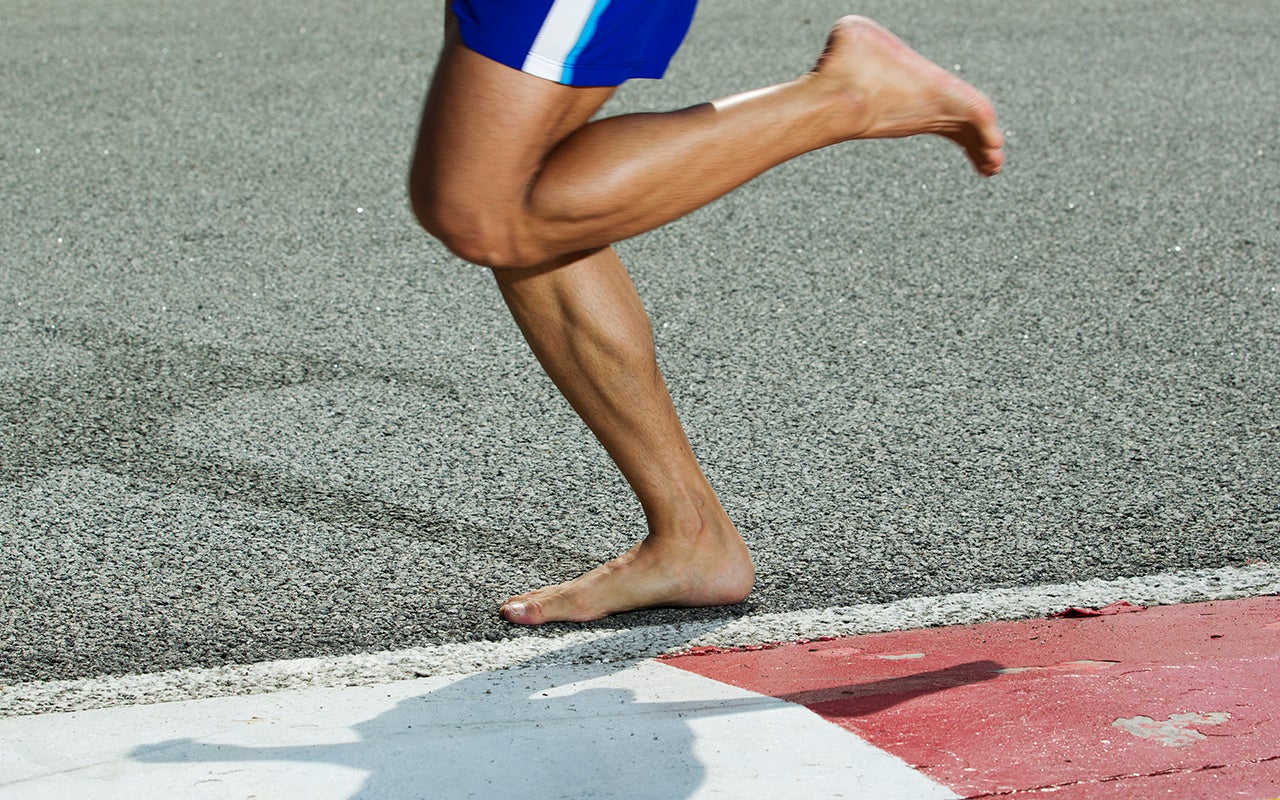
Children’s feet are remarkably flexible. Bones haven’t fully hardened. Arches are still emerging. Movement patterns are being written in real time.
Overly stiff, narrow, or poorly fitting shoes can interfere with that process. Shoes that don’t bend, breathe, or move with the foot may contribute to:
Ingrown toenails
Structural foot issues
Fungal infections like athlete’s foot
Reduced balance and traction during play
Kids don’t move in straight lines. They sprint, skid, climb, and pivot without warning. Their footwear should cooperate not dictate.
Let’s Be Honest: Barefoot Isn’t Always Smart
Even the most devoted barefoot advocates agree there are moments when shoes are non-negotiable.
Footwear matters when:
Walking around pools, locker rooms, or damp communal areas
The ground is scorching hot (asphalt and sand burn fast)
There’s a risk of sharp objects or puncture wounds
Kids are near campfires, tools, or lawn equipment
Insects, parasites, or wildlife are part of the environment
Keep tetanus vaccinations current. And yes feet need sunscreen too.
If a child steps on something sharp, don’t “wait and see.” Puncture wounds can look harmless and turn serious quickly. When in doubt, call the pediatrician.
So… Should Kids Go Barefoot?
Sometimes.
Not always.
And that’s the point.
The healthiest approach lives in the middle. Let kids go barefoot where it’s safe at home, in the yard, on clean grass or sand. Encourage shoes when protection matters. Teach awareness instead of fear.
A simple compromise many families swear by? A no-shoes-in-the-house rule. Cleaner floors. Happier feet. Better sensory input for growing bodies.
Children don’t need constant armor. They need freedom with boundaries. And sometimes, that freedom begins right at ground level.
What's Your Reaction?