My Mind Was On The Baby Blues Might Be Helping Me With Postpartum Anxiety?
Initially, I believed I was only experiencing fatigue. Newborn tired. Bone-deep tired. The kind of fatigued individual that everyone advises you about, yet fails to equip you with enough time.

I confessed to feeling overwhelmed. That I was adjusting. All individuals experienced this during their early stages of motherhood.'
My body was alerted by a quiet alarm, even though I was exhausted and eager to learn. It wasn't until I could explain it now that something went awry.
The beginning stages of parenthood are challenging. Why? There's the mental pressure, the sore muscles, and broken sleep. When I became tense all the time, I ignored it.
Normal, I thought.
Very typical.
It wasn't.
It's through this experience that I became aware of my postpartum anxiety, not just the emotional distress caused by the blues.
1. The fear persisted without any hint of aching sadness.
Illness and sudden crying are common triggers for baby blues, but they usually subside within a few weeks. I had that too.
What I sensed went deeper and more pronounced.
I felt my chest tight, like it was always slashed just before I hit. Despite being conscious, my thoughts were running wild. Why? Even with my baby's peaceful sleep, I couldn't seem to calm down.
This wasn't sadness passing through.
Creating shelter was an act of fear.
Fear of everything. Fear without a name.
2. My thoughts remained steady, even when I thought they weren't making sense.
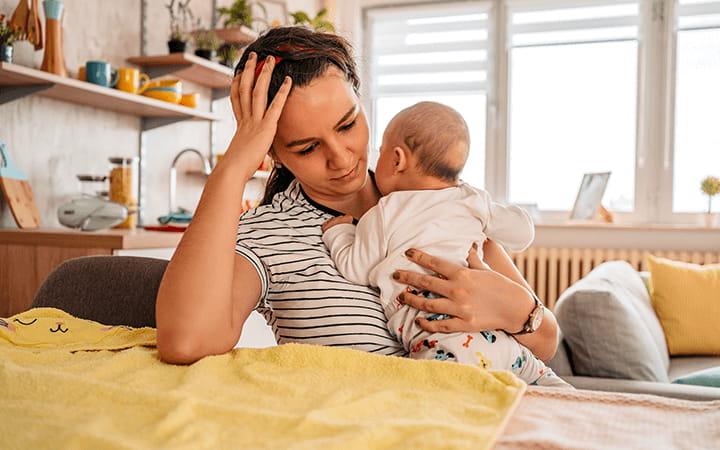
I was stuck in a loop of thoughtlessness: "What now?".
What if I fail her?
If I'm sleeping, what could be the outcome?
What if I disappear and never return to motherhood?
I recognized that these thoughts were illogical. That didn't stop them. They were constantly playing, resembling the background of my surroundings.
I didn't talk about it. Shame kept me quiet. My belief was that responsible mothers should have the ability to grasp the situation. My fear was that sharing my anxiety would make me appear dramatic or unstable.
The noise from silence was what I learned.
3. Sleep deprivation was not the only factor that caused exhaustion, it also caused panic.
Sleep loss is a common consequence of being pregnant. But this wasn't ordinary tiredness. I experienced intense nervousness.
The lack of sleep was a constant challenge for me. Lying down in a state of rest, my heart would beat with the knowledge that something terrible was just around the corner.
Eventually, I stopped trying. I drank more coffee. I pushed through the days. Slowly, I began to disintegrate.
4. I appeared to be in good shape when I was falling inside.
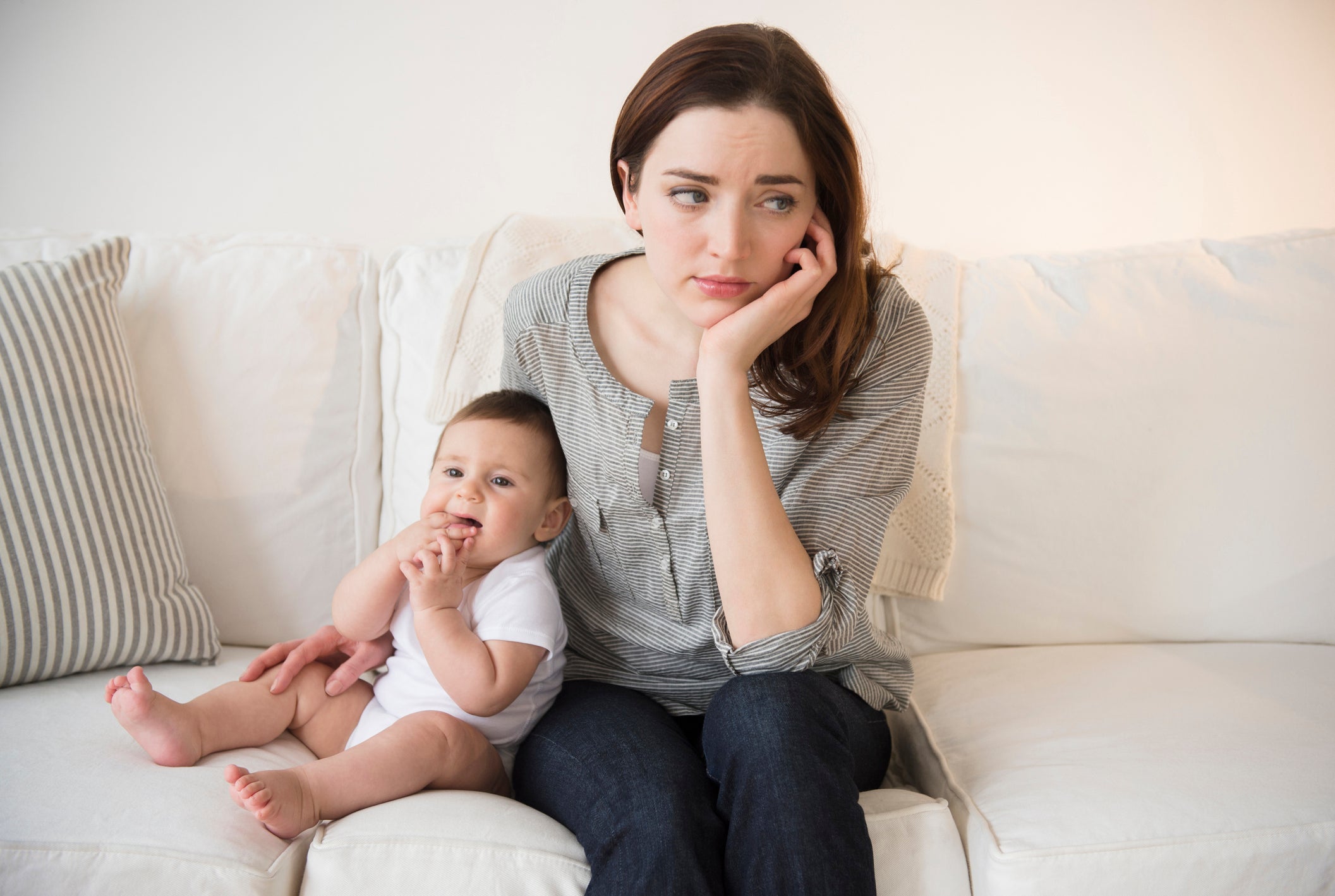
One of the harshest aspects about postpartum anxiety is how easily it can be hidden.
I showed up. I fed my baby. I smiled for photos. Despite the circumstances, I looked functional and intelligible.
Inside, I was constantly taking in the air.'
My fear was that confessing my struggles would make me a loser in the journey to motherhood. Despite my white-knit countenance, I couldn't stop moving until my friend whispered, "I have to go home.".
“You don't seem like yourself.”.
That was the moment when the truth began to speak.5. Asking for Help Changed Everything.
I spoke to my OB. I was positioned in front of a psychologist.' After the words were spoken, tears welled up, a mixture of relief and grief, and exhaustion and hope.
I was able to identify my symptoms by the time healing began.
It wasn't weakness. It wasn't failure. Postpartum anxiety is a well-known condition that can be treated and affect up to 20% of new mothers, but it goes unnoticed because it doesn't always appear as if it were depression.
But with some help, things started to turn. Slowly. Gently. Realistically.
Things I Need to Know Before Become a New Mum.
Listen to those who feel like their tummy has pulled out and tightened, as this may be the cause.
You aren't broken.
You aren't failing.
You aren't alone.
Postpartum anxiety is real. It's valid. And help exists.
Talk to your doctor. Reach out to a therapist. Confide in someone you trust. It is important to feel secure in your body and confident in being a mother, rather than just surviving.
It's possible for you to seek aid. You merit it, of course.’ The.
What's Your Reaction?