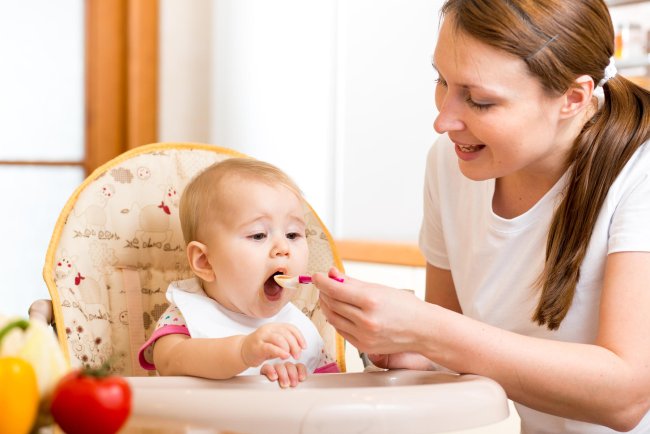
New Peanut Allergy Guidelines: How to Safely Introduce Peanut Products to Babies
Peanut allergy is a serious concern affecting 1–2% of children and often lasting a lifetime. Unlike many food allergies that children may outgrow, peanut allergy can be persistent and, in rare cases, life-threatening. So, when groundbreaking research in 2015 revealed that introducing peanut products early could reduce the risk of developing a peanut allergy, it was a game-changer for parents and pediatricians alike.
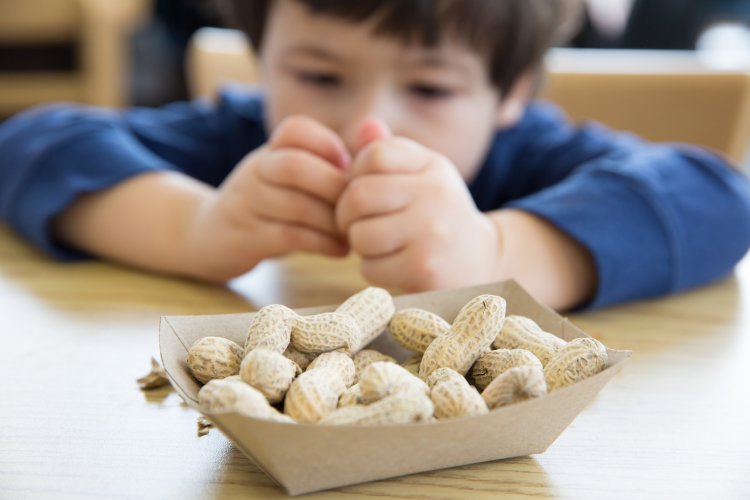
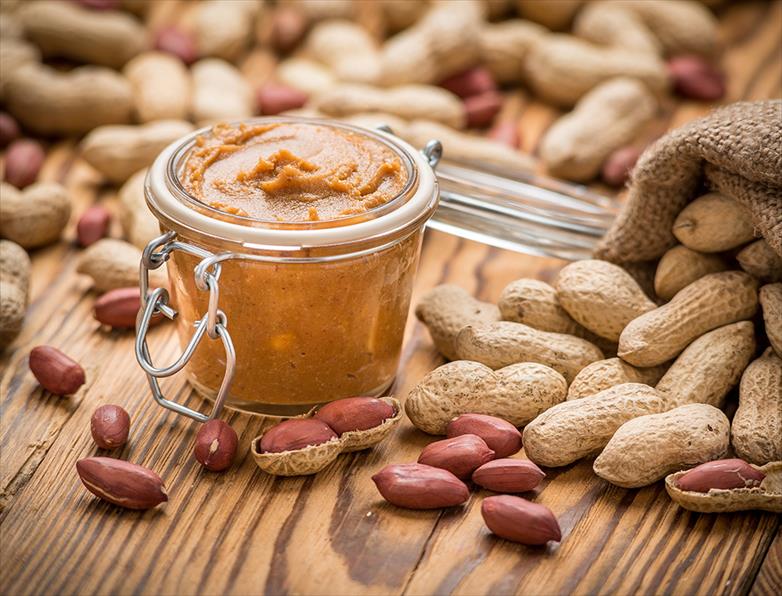
If testing reveals a peanut allergy, a specialist consultation is advised to safely determine if peanut exposure is possible.
First introduction of peanut products should occur in a doctor’s office, where medical support is available if a severe allergic reaction occurs.
Timing matters: once babies are ready for solid foods, the AAP recommends introducing peanut products between 4 and 6 months of age. Early testing and careful introduction can significantly reduce the likelihood of peanut allergy later.
Moderate-Risk Babies: Early Introduction Without Mandatory Testing
Babies with mild to moderate eczema generally do not require allergy testing, although parents should consult their pediatrician to assess individual risk factors.
Recommended introduction: around 6 months of age, once the infant is ready for solids.
The goal is to gradually incorporate peanut products into the diet while observing for any signs of allergy.
Low-Risk Babies: Introduce Peanut Products Freely
For infants without eczema or other food allergies, the AAP encourages parents to introduce peanut products alongside other solid foods, according to family preferences and cultural practices.
Early peanut introduction is beneficial but not urgent.
Parents can offer peanut-containing foods at their own pace while monitoring for tolerance.
Important Safety Tips: Peanut Products, Not Whole Peanuts
It’s critical to remember: never give whole peanuts to babies, as they pose a choking hazard. Safe options include:
Smooth peanut butter: a small dab, enough for the baby to lick off a spoon
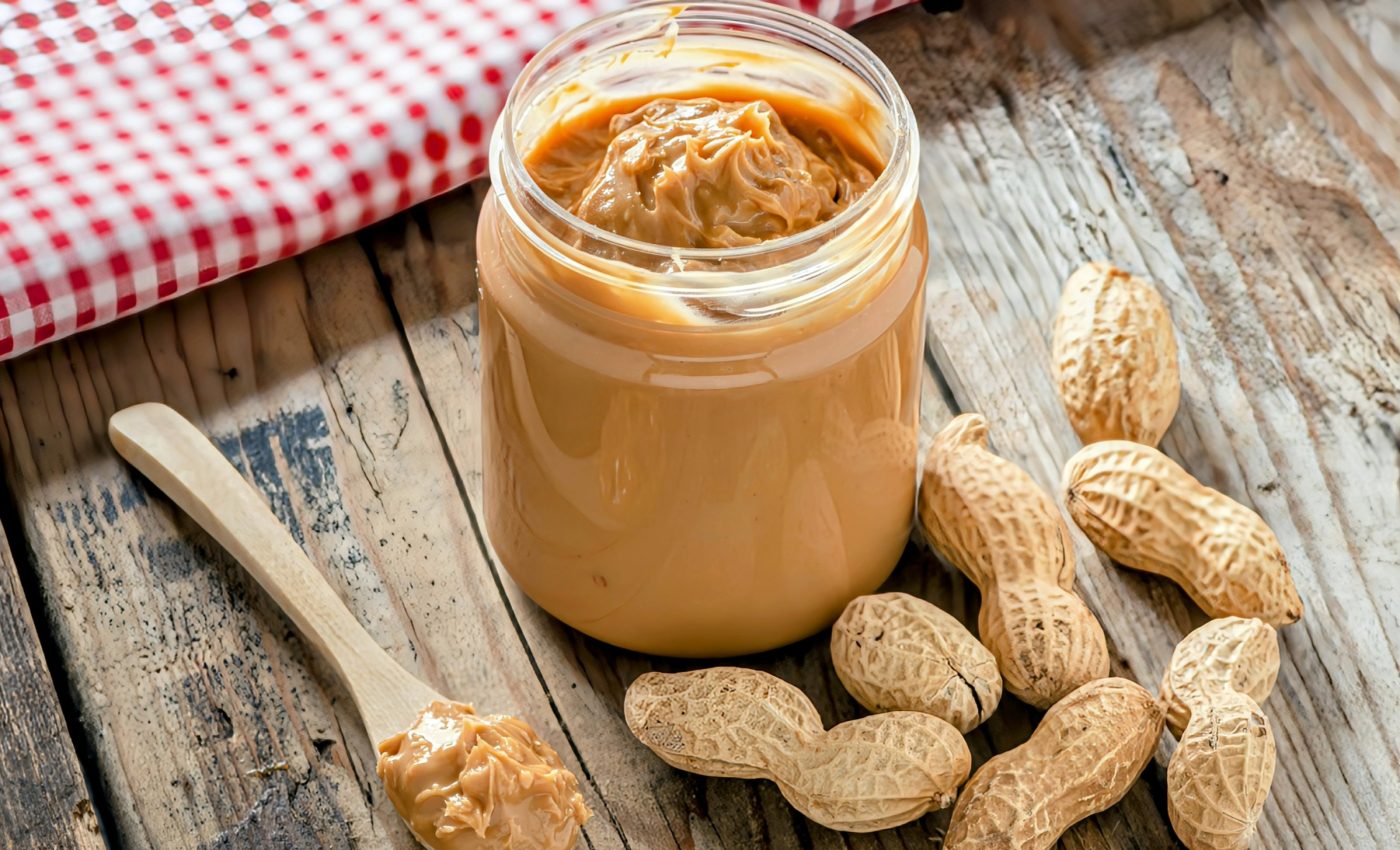
Peanut butter mixed into purees for easier consumption
Peanut-containing snacks, like the Israeli study’s famous Bamba puffs
Avoid chunky peanut butter or any form of peanuts that could block a baby’s airway.
Planning Ahead: Pediatric Checkups Are Key
At the 2- or 4-month wellness check, parents should discuss with their pediatrician:
Which risk group their baby falls into
Family history of peanut or other food allergies
The safest plan for preventing peanut allergy
Early conversation and planning allow time to arrange testing, strategize gradual introduction, and minimize both allergy and choking risks.
Bottom Line
Peanut allergy prevention is no longer about waiting it’s about timing, preparation, and safety. By following the AAP guidelines, parents can confidently introduce peanut products to their babies, reduce allergy risk, and foster healthy, adventurous eating habits from the very start.
What's Your Reaction?