3 Things Every Parent Should Know About Complementary and Alternative Medicine
In pediatric clinics all over the country, a quiet shift is happening. Parents walk in with questions about herbal teas, essential oils, probiotics, acupuncture, or energy healing treatments I didn’t prescribe but am seeing more and more often. Sometimes these therapies fit perfectly into a child’s care plan. Other times, they raise red flags.

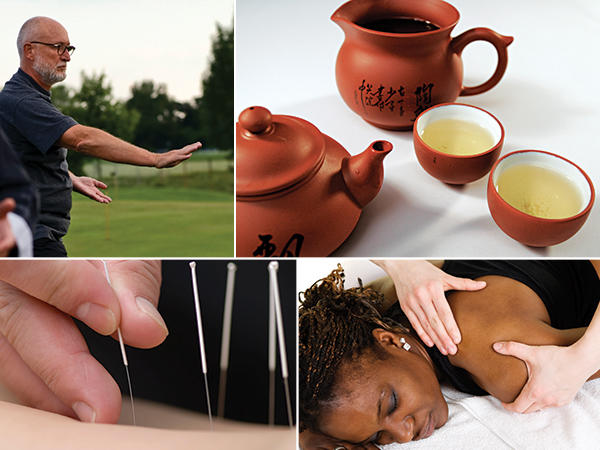
It covers everything from ancient practices like acupuncture and Chinese herbal remedies to modern trends like Reiki, meditation, and specialized diets. It also includes familiar, widely used approaches like chiropractic care, yoga, hypnosis, and dietary supplements.
These therapies aren’t sitting on the fringes anymore. They’re firmly making their way into mainstream parenting. Over one in ten U.S. children has used some form of CAM — and among children with chronic health conditions, that number jumps to more than half. As parents turn to social media, blogs, and online forums for advice, enthusiasm for these therapies spreads fast.
That growing popularity is exactly why the American Academy of Pediatrics (AAP) published its report “Pediatric Integrative Medicine” to help families make safe, informed decisions.
Here are the three big things parents need to know before trying complementary or alternative medicine with their children.
1. Many alternative therapies can genuinely help more than most people realize
Western medicine does not own all the wisdom in the healing world. Many CAM therapies, especially those with long historical roots, offer benefits supported by emerging research.
Take acupuncture. This practice has been used for thousands of years and has shown real promise in managing chronic pain. Probiotics can ease diarrhea and support gut health. DHA — an omega-3 fatty acid found in fish oil supports early brain development and may improve attention in some children.
Even practices that feel more like lifestyle choices, such as yoga and meditation, can be powerful. For kids with asthma, irritable bowel syndrome, or attention difficulties, yoga can help calm the nervous system and improve symptoms.
Our understanding of health is expanding, and today’s pediatricians often recommend therapies that were once waved away as “alternative.” But that leads us to the major challenge...
2. Most alternative therapies are very poorly regulated and that’s where problems begin
Prescription medications have to survive a gauntlet of rigorous testing before they ever reach a pharmacy shelf. Alternative treatments? Not so much.
Because supplements and herbs are labeled as food, not medicine:
Manufacturers don’t have to prove that their products actually work.
They don’t have to list every ingredient.
Some products have been found to contain dangerous contaminants like lead, arsenic, or undisclosed pharmaceuticals.
The same uneven standards apply to practitioners. Becoming a doctor or nurse requires accredited training, national exams, and ongoing certification. But many CAM providers don’t go through a standardized system some do, but many don’t. As a result, quality varies dramatically, and parents often have no way to know if someone is deeply trained or barely trained.
Western medicine also benefits from massive research infrastructure clinical trials, safety boards, peer review, continuous monitoring. CAM simply doesn’t have the same framework (yet). Many therapies are studied, but not nearly with the same depth or frequency.
This doesn’t mean the therapies or practitioners are bad. It simply means parents have to be much more careful about choosing who treats their child and what they give them.
Which leads to the most important point…
3. Parents must do their homework and talk to their child’s doctor first
Before trying any complementary or alternative therapy, take a little time to dig deeper.
A great starting place is the National Center for Complementary and Integrative Health (NCCIH), a part of the National Institutes of Health. They offer evidence-based explanations of different therapies, potential risks, and what the science actually says.
But even more important? Tell your child’s doctor.
Not because doctors want to steer you away but because:
Some herbs and supplements can interfere with medications.
Some treatments may be unsafe for certain ages or conditions.
And sometimes, your concerns are pointing toward an underlying health issue that needs attention before trying alternative remedies.
Take St. John’s wort, for example. It's a popular herbal remedy for depression, but it can weaken or block the effects of many prescription medications. That's something no parent wants to discover the hard way.
Pediatricians may not know every detail about every alternative therapy (and the AAP openly says we need more training), but we deeply care about your child’s wellbeing. And we want to work with you not against you to explore safe, meaningful options.
The Bottom Line
Complementary and alternative medicine can offer real, evidence-backed benefits for many children. But it exists in a world with fewer rules, fewer safeguards, and plenty of confusing or misleading information.
What's Your Reaction?