5 Crucial Conversations to Have With Your Teen About 13 Reasons Why
Teens absorb the world around them not just from peers and school, but also from media. Most of the time, that influence is harmless. But when it comes to sensitive subjects like suicide, exposure can have real consequences. Netflix’s 13 Reasons Why has raised concern among parents, educators, and mental health professionals for precisely this reason.

The series, based on Jay Asher’s book, follows Hannah Baker, a teenager who dies by suicide and leaves behind 13 tapes, each revealing how specific people contributed to her despair. For some vulnerable teens, the depiction of her story could trigger distressing thoughts or even suicidal ideation.
Why Parents Should Pay Attention
Suicide is the second leading cause of death among 15- to 19-year-olds, second only to accidents. According to the 2015 Youth Risk Behavior Survey, nearly one in five high school students has considered suicide, and about 1 in 12 attempts it. Research also shows that suicide can be contagious: hearing or reading about a peer’s death by suicide increases risk for others.
It’s natural to want to shield teens from such content, but complete avoidance is increasingly unrealistic in a digital world. Instead, the series can become a starting point for conversations an opportunity to educate and connect.
Some teens are at particularly high risk, including those with mental health conditions, a history of trauma, previous suicide attempts, or LGBTQ youth. But even teens without these risk factors can be affected by bullying, social isolation, or stressful life events all themes Hannah experiences in the show.
Adolescence is inherently full of emotional turbulence, but heightened vigilance is essential. Recognizing persistent sadness, anger, or withdrawal is key. And crucially, talking openly about suicide, while uncomfortable, is exactly what helps prevent it.
5 Essential Points to Discuss With Your Teen
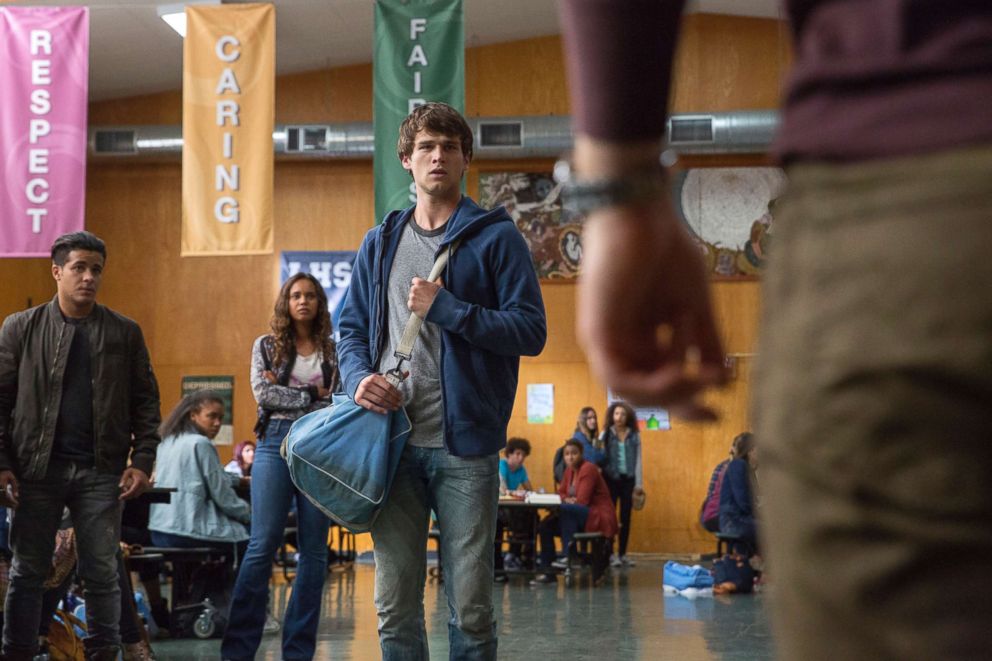
Even if you haven’t watched 13 Reasons Why together, these five talking points can guide a meaningful conversation:
1. Hannah’s struggles are not unique
Many teens wrestle with bullying, friendship troubles, or feelings of isolation. Seeing these struggles depicted on screen can help your teen understand that they are not alone. Discuss how common challenges can feel overwhelming but are part of growing up—and how support is always available.
2. There are always alternatives to suicide
Even in the darkest moments, there are solutions and sources of help. Life is malleable; death is not. Reinforce that problems can be solved, feelings can shift, and seeking help is not a sign of weakness but of courage.
3. Speak up if you feel unsafe
Encourage your teen to reach out if suicidal thoughts ever arise. The best first step is to talk to a parent, teacher, counselor, or doctor. If that feels impossible, hotlines like the National Suicide Prevention Lifeline (800-273-8255) offer immediate, confidential support.
4. Take others’ warning signs seriously

If a friend or peer shows unusual sadness, isolates themselves, or hints at self-harm, don’t dismiss it. Validate their feelings, offer support, and connect them with professional help. Even if the concern turns out to be a false alarm, your attention signals care and may save a life.
5. Our actions and words matter every day
Hannah’s story reminds us that small interactions can leave a profound impact. Kindness and empathy are powerful tools, just as thoughtless comments can deeply wound. Helping teens understand this can cultivate compassion, responsibility, and awareness of how they influence those around them.
Using Media as a Conversation Starter
While 13 Reasons Why is intense, it can become a springboard for dialogue, learning, and emotional connection. By discussing the show thoughtfully, parents can help teens process complex emotions, recognize risk factors, and build the tools to seek help when needed.
What's Your Reaction?