What Parental Leave Policies Actually Need to Give Mothers (And Why Time Alone Isn’t Enough)
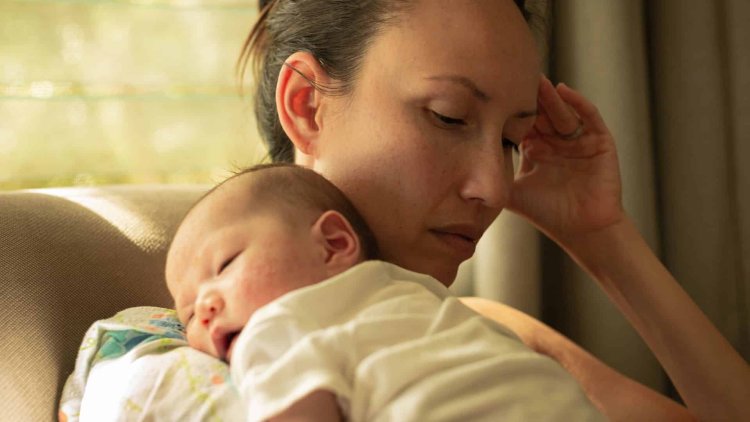
She’s tired in her bones, tired in her nervous system, tired in the quiet hours when the house finally sleeps but her mind doesn’t. She’s healing from birth, learning a brand-new human, and recalibrating her identity all while being subtly expected to “bounce back,” stay grateful, and keep productivity humming in the background.
Most parental leave policies, even the ones proudly labeled generous, miss this reality entirely.
Because mothers don’t just need time off.
They need care, dignity, and safety and a culture that understands maternity leave is not a pause button on a person.
Why Parental Leave Still Fails So Many Mothers
On paper, many countries and companies offer weeks or even months of parental leave. In practice, those policies often collapse under the weight of lived experience.
Here’s where they fall apart.
They treat leave like a break
Caring for a newborn is not rest. It’s relentless, intimate labor physical, emotional, hormonal. There are no weekends. No off switch. No clocking out. Calling it a “leave” feels almost ironic.
They ignore mental health entirely
Postpartum anxiety, depression, grief over identity shifts these don’t resolve neatly by week twelve. Most policies offer silence where support should be, leaving mothers to navigate seismic emotional changes alone.
They assume financial privilege
Unpaid or partially paid leave quietly excludes single mothers and lower-income families. When survival depends on a paycheck, “choice” becomes an illusion and mothers are forced into impossible trade-offs.
They punish women quietly

Even when leave is technically allowed, many mothers fear professional consequences: lost momentum, stalled careers, whispered doubts about commitment. That fear doesn’t come from nowhere it’s learned.
What Mothers Actually Need From Parental Leave
If we truly want parental leave to work, we have to stop designing it for spreadsheets and start designing it for human beings.
1. Fully paid leave for long enough to matter
Healing, bonding, and identity shifts take time. Real time.
Six weeks barely scratches the surface. Twelve is still a blur.
A meaningful baseline looks closer to six months of fully paid leave, with flexibility to extend or ease back gradually.
2. Job security without hidden penalties
Returning to work shouldn’t feel like walking back into a room where you’ve already fallen behind. Mothers deserve certainty not subtle punishment for using the leave they’re entitled to.
3. Built-in mental health support
Postpartum care should include access to therapists, peer groups, and regular check-ins with professionals trained in maternal mental health. We ask new mothers how the baby is doing but rarely ask how they are holding up.
4. Equal partner leave that actually gets used

When partners take meaningful, non-transferable paid leave, everything changes. The load lightens. The narrative shifts. Caregiving stops being framed as women’s work and starts looking like shared human responsibility.
5. A humane return-to-work transition
Going back shouldn’t feel like being thrown into cold water. Flexible hours, phased re-entry, and regular check-ins acknowledge a simple truth: motherhood changes people and workplaces should adapt accordingly.
This Isn’t Just About Mothers
Strong parental leave policies ripple outward.
Mothers who are supported early:
experience fewer long-term physical and mental health issues
are more likely to return to work and stay long-term
raise children who are healthier and more securely attached
contribute to workplaces that are more stable, loyal, and humane
And perhaps most importantly, these policies send a message:
that caregiving matters. That motherhood is valued. That women deserve more than survival-mode solutions.
The Bottom Line
If policymakers truly listened to mothers, they’d hear stories of love layered with fear, joy tangled with exhaustion, and an overwhelming desire to do everything right without breaking in the process.
We cannot keep offering a few rushed weeks and a polite smile while expecting mothers to hold everything together.
What's Your Reaction?