Room-Sharing With Your Baby May Lower SIDS Risk But It Can Also Steal Everyone’s Sleep
The American Academy of Pediatrics (AAP) has long recommended that babies sleep in their parents’ room close enough to hear their tiny sighs, but still in their own safe sleep space, whether that’s a crib, bassinet, or secured co-sleeper. Ideally, the AAP suggests room-sharing for at least 6 months, and up to 12 months, because research shows that proximity can help reduce the risk of Sudden Infant Death Syndrome (SIDS).
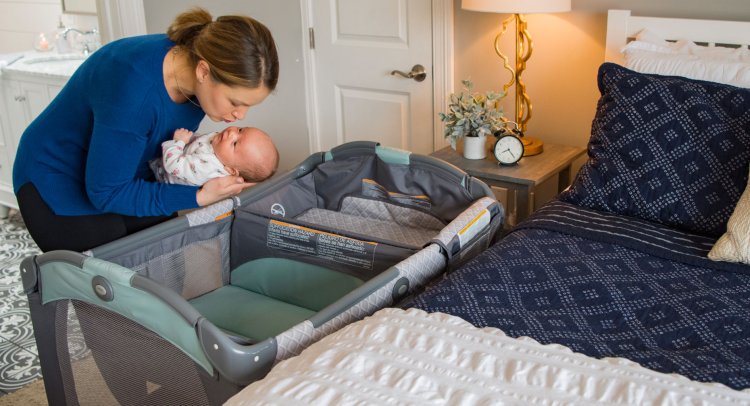
But, like so many things in parenting, this well-intentioned advice comes with a twist:
better safety doesn’t always mean better sleep.
A 2017 study published in Pediatrics highlighted something exhausted parents have suspected for decades babies who sleep in their own room earlier tend to sleep longer and more consistently, and so do their parents.
What the Research Actually Found
Researchers looked at “early independent sleepers” babies who moved to their own room before 4 months old and compared their sleep to babies who continued room-sharing.
The results were eye-opening:
Early independent sleepers slept longer stretches by 4 months
At 9 months, these babies were still better sleepers than those who room-shared
Babies who room-shared were four times more likely to end up in their parents’ bed during the night (which raises safety risks)
Independent sleepers also had more consistent bedtime routines, which we know improves sleep quality
For a sleep-starved parent, even an extra 20 minutes can feel like winning a tiny emotional lottery. And since good infant sleep is linked to better sleep later in childhood, the findings tug at the tempting thought:
But, as always, the truth is less tidy.
The Complicated Truth About Babies, Sleep, and Safety
The accompanying commentary to the study raised a crucial point:
long stretches of sleep aren’t always a sign of “superior” infant sleep.
One of the reasons room-sharing helps prevent SIDS is that babies who sleep near their parents wake more easily. And in early infancy, that ability to rouse quickly can be lifesaving. Constant micro-wakings those wiggles, squeaks, and half-cries may actually be protective.
In other words, the very thing that disrupts your sleep might be helping keep your baby safe.
And it’s worth remembering that infancy is temporary. Those foggy, bleary-eyed nights feel endless, but sleep does evolve. Most babies eventually sleep through the night, no matter where they start.
Room-Sharing Also Supports Breastfeeding
Breastfed babies wake more often because breast milk digests quickly. When baby is in another room, the extra effort required getting up, walking down the hall, staying alert—can make nighttime feeding feel harder. And that often leads parents to introduce formula earlier than planned.
Having baby close by keeps breastfeeding simpler, smoother, and gentler.
So What Should Parents Actually Do?
Every family is different. Every baby is different.
And every parent’s capacity emotionally, physically, relationally is different.
Room-sharing offers clear benefits:
Reduced risk of SIDS
Easier breastfeeding
Better parental awareness of baby’s cues
But room-sharing is only helpful when safe sleep rules are followed:
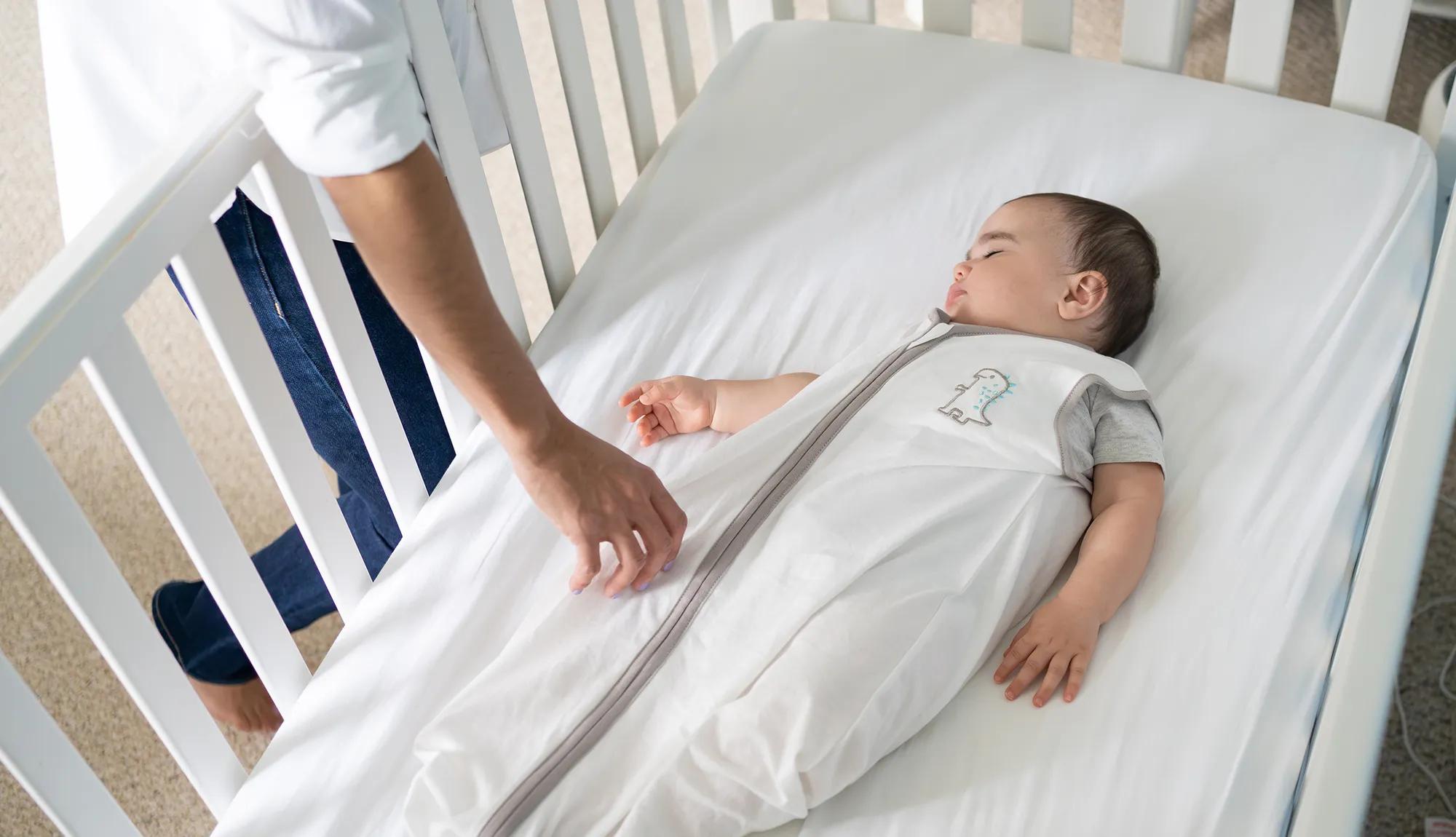
no pillows, no loose blankets, no stuffed animals, no falling asleep during feeds with baby in your bed.
And it only works when parents themselves aren’t falling apart from exhaustion or losing their sense of closeness as a couple because intimacy feels awkward or impossible with a bassinet six inches away.
Parental well-being is part of the equation too.
The real goal isn’t perfection; it’s safety, sanity, and sustainability.
The Bottom Line: Know the Guidance, Then Shape It to Your Reality
Parents deserve both the facts and the flexibility to make choices that honor their baby’s safety and their family’s emotional health.
Understanding the recommendations is important but so is recognizing when they may not serve your particular situation. Working with your pediatrician can help you find a balance that keeps your baby safe and keeps your household functioning.
In the end, the best sleeping arrangement is the one that protects your baby and supports the well-being of the whole family because you matter too.
What's Your Reaction?